
Real Marble vs Marble-Effect Panels: How to Tell the Difference
Solid stone slabs, marble-laminate sheets, sintered stone, HPL panels — what each one actually is, and how to spot the cheapest version of each.
by Walora Design TeamUpdated 9 min read
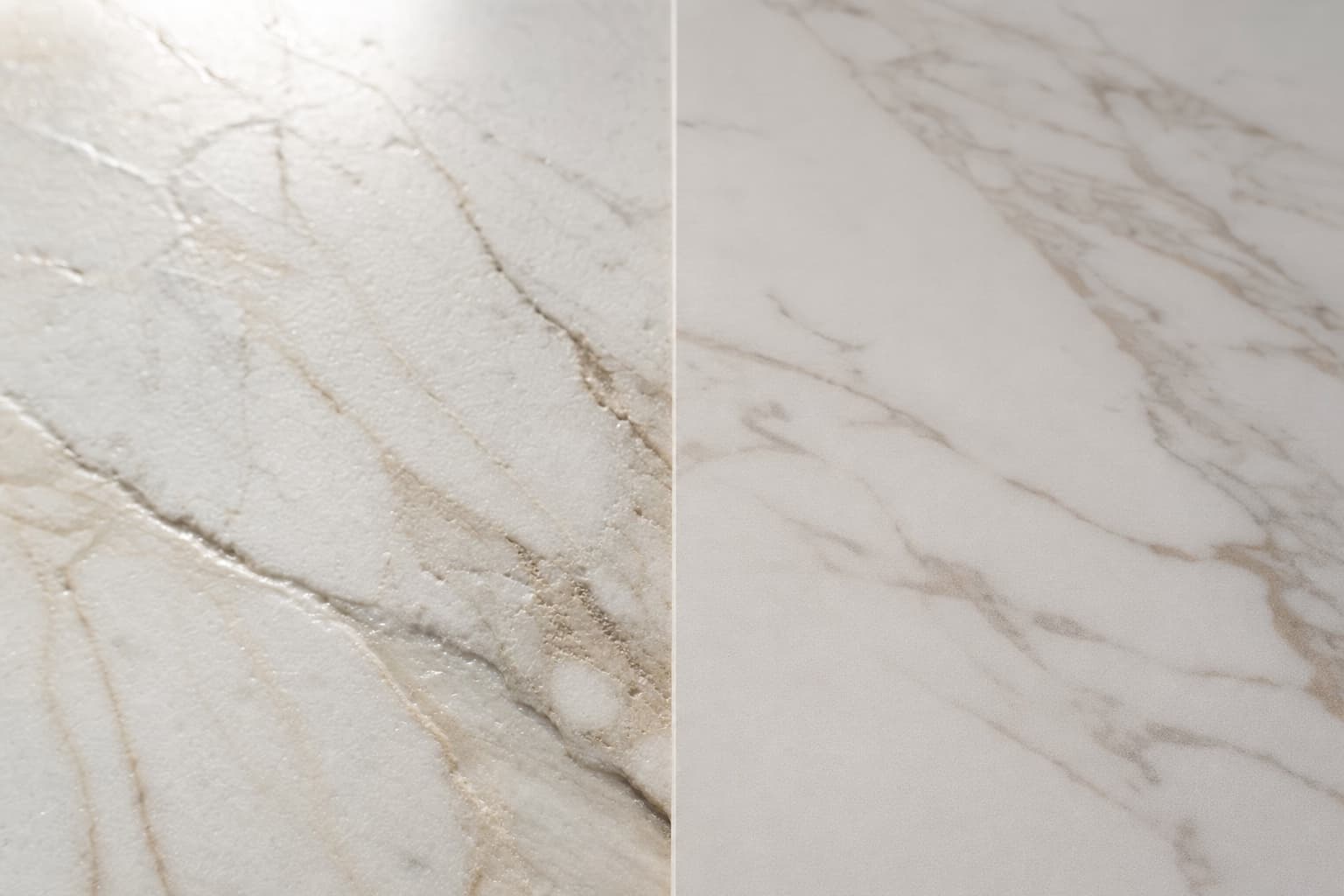
The most common upgrade in a custom media wall is the move from a painted feature wall to a real stone one. It is also the upgrade where the most money is wasted on something that isn't what it claims to be. This guide is how to tell.
What real marble actually is
Marble is a metamorphic rock formed when limestone is exposed to heat and pressure over geological time. The minerals recrystallise, the calcite tightens, and what was once sediment becomes something dense, layered, and uniquely veined. No two slabs are identical. That is the entire point.
In a media wall, "real marble" specifically means a slab — a single piece of stone cut from a larger block at a quarry and shipped to the workshop in roughly its installed dimensions. Standard thickness for vertical applications is 20 mm. Anything thinner is either a different material or marble bonded to a backer for weight reduction (this is sometimes legitimate; we'll come back to it).
The most common natural marbles used in UAE media walls are:
- Light marble — broadly Carrara-style, white background with grey veining
- Dark marble — broadly Calacatta or Marquina territory, dramatic veining or solid dark base
- Travertine — technically a limestone, not a marble, but commercially grouped with it; warm cream tones, characteristic pitting
Each has its own grade hierarchy, origin, and price band. A premium project specifies which variant, where it was quarried, and which block it was cut from. A budget project says "marble".
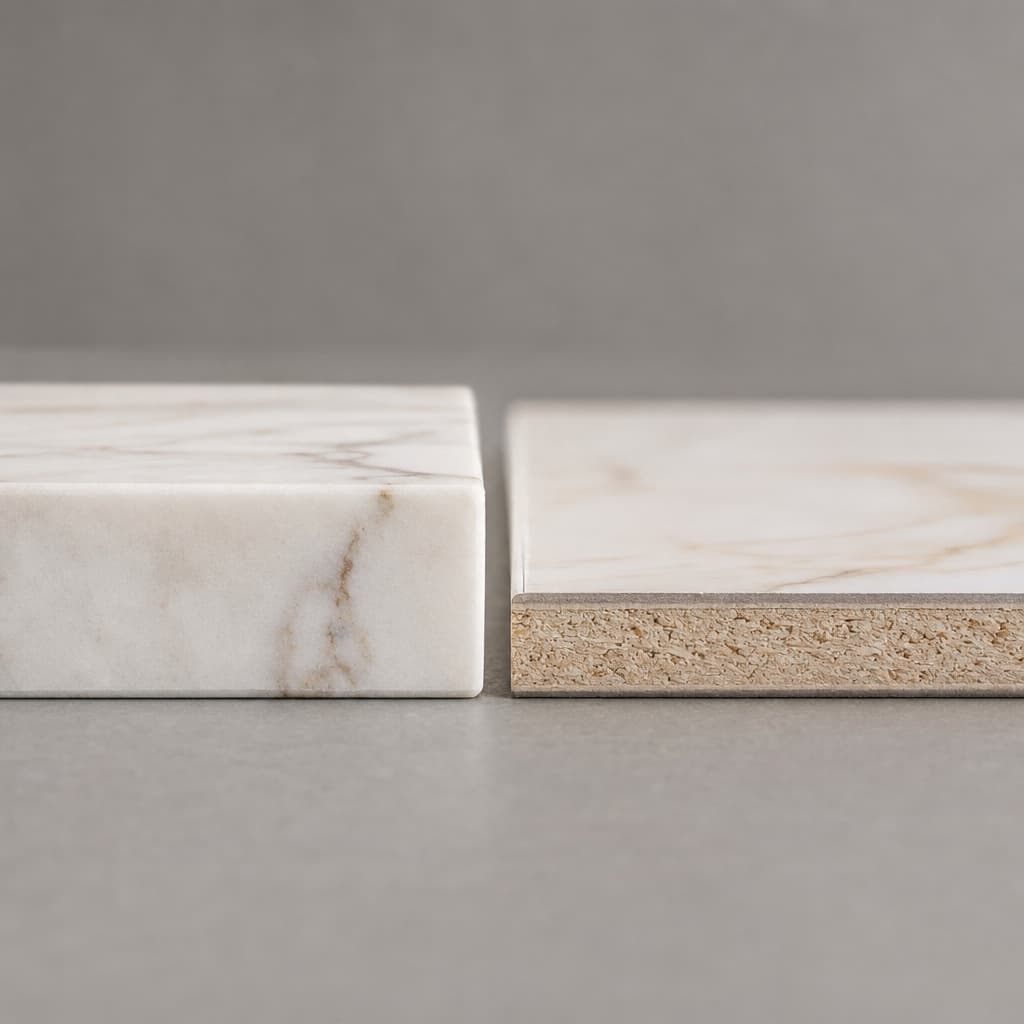 Edge cross-section comparing a 20 mm solid Calacatta marble slab with a thin printed marble-effect HPL panel.
What marble-effect panels actually are
There is no single thing called "marble-effect". The category covers at least five technologies, all of which look like marble in a photo and almost nothing like it in person.
HPL (High Pressure Laminate)
A decorative paper printed with a marble pattern, soaked in melamine resin, fused under heat and pressure to a kraft-paper core. Typically 0.7 to 1.5 mm thick. Bonded onto MDF or particleboard to become a wall panel. The cheapest visual marble substitute. Will look acceptable in a brochure, will look very synthetic at conversation distance.
CPL and Foil Marble
Continuous-pressure laminate or printed PVC foil thermally pressed onto board. Even cheaper than HPL. The visible giveaway is a uniform, glossy plastic sheen even when the design is supposedly matte stone.
Marble-Veneer Sheets
Real marble sliced thin (3 to 5 mm) and bonded to a stable backer for weight reduction. This is a legitimate, premium application when used honestly — it lets you wrap curved surfaces or use rare stones on large walls. The problem is when 3 mm marble veneer is marketed as "20 mm real marble".
Sintered Stone
A real engineered material — not a printed surface. Mineral powders compressed under enormous pressure and fired in industrial kilns. Brands include Dekton, Neolith, Lapitec, Laminam. Dense, durable, and visually convincing. Costs roughly two-thirds of natural marble. Worth knowing about. Not a downgrade.
Porcelain Marble Tiles
Standard floor tiles, marketed as wall material. Thin, repetitive veining patterns, visible grout lines, factory-finished edges. Not in the same category as a slab.
The five tests a buyer can run on-site
You can run any of these tests inside a showroom visit. Suppliers selling real stone will offer all of them. Suppliers selling marble-effect will sometimes refuse, sometimes change subject, sometimes show you the photographed brochure instead of the actual material.
Why veining is the most reliable single tell
Every natural stone slab is a unique cross-section through a geological event. The veins are mineral deposits that formed under specific pressure and chemistry conditions millions of years ago. They have depth, translucency, and an irregular pattern that no print can fully replicate.
Two specific things give natural stone away:
-
Light passes through the veining differently from angles. Move your head left and right in front of a slab. The veins almost shimmer — they catch and release light because they sit at different depths within the stone. A printed pattern stays flat regardless of angle.
-
The pattern never repeats. If you find yourself looking at a TV wall and noticing the same dramatic vein crossing two panels in identical positions, you're looking at print. Real stone is bookmatched or random-matched by hand; there is always some variation between any two cut surfaces.
When marble-effect is actually the right answer
We don't pretend every project should be solid stone. There are situations where engineered or layered alternatives genuinely make sense:
- Curved or radiused surfaces — solid slabs cannot bend. Stone veneer over a curved substrate is sometimes the only option.
- Suspended floor-to-ceiling applications on weight-limited substrates — slab weight occasionally exceeds what an apartment wall can carry without engineered backing.
- Strict budgets where stone is non-negotiable as an aesthetic — sintered stone delivers most of the visual impact at two-thirds the cost.
What we object to is selling marble-effect as marble. A supplier saying "we use real stone" while quoting against an HPL panel is misleading; a supplier saying "for this budget we use sintered stone, here's what it does well" is honest.
The two-line clause every quote should contain
If you take one habit away from this article: ask every quote to include a line that names the stone and its thickness.
Bad: "Premium marble feature panel" Good: "20 mm solid Carrara light marble slab, quarried in Italy, chamfered edges, sealed"
That second line is unambiguous. It tells you what arrives at your door. It can be referenced if the wrong material is installed. It is the difference between buying marble and buying a marketing word.
Caring for natural marble in a UAE living room
Marble in a media-wall context is one of the easiest premium surfaces to live with — far easier than the same stone in a kitchen.
The rules are short:
- Wipe with a damp microfibre cloth weekly. No vinegar, no citrus, no glass cleaner.
- Use a stone-safe sealant every 18 to 24 months. A 100 ml bottle and 10 minutes of work per session.
- Keep direct AC airflow off the surface (this is a comfort and longevity concern for everything in the room, not just stone).
- For the rare spill — water, dust — wipe and dry. Real stone is more forgiving than its reputation in living-room applications.
A correctly installed and sealed marble media wall in a UAE home will look better in ten years than it does on installation day. Patina is a feature, not a flaw.
Frequently asked questions
About the author
The Walora Design Team has been crafting custom media walls for UAE homes since 2024 — every piece built to order in our Dubai workshop from real natural stone, premium stained wood veneers and bin-matched LED.
Related reading
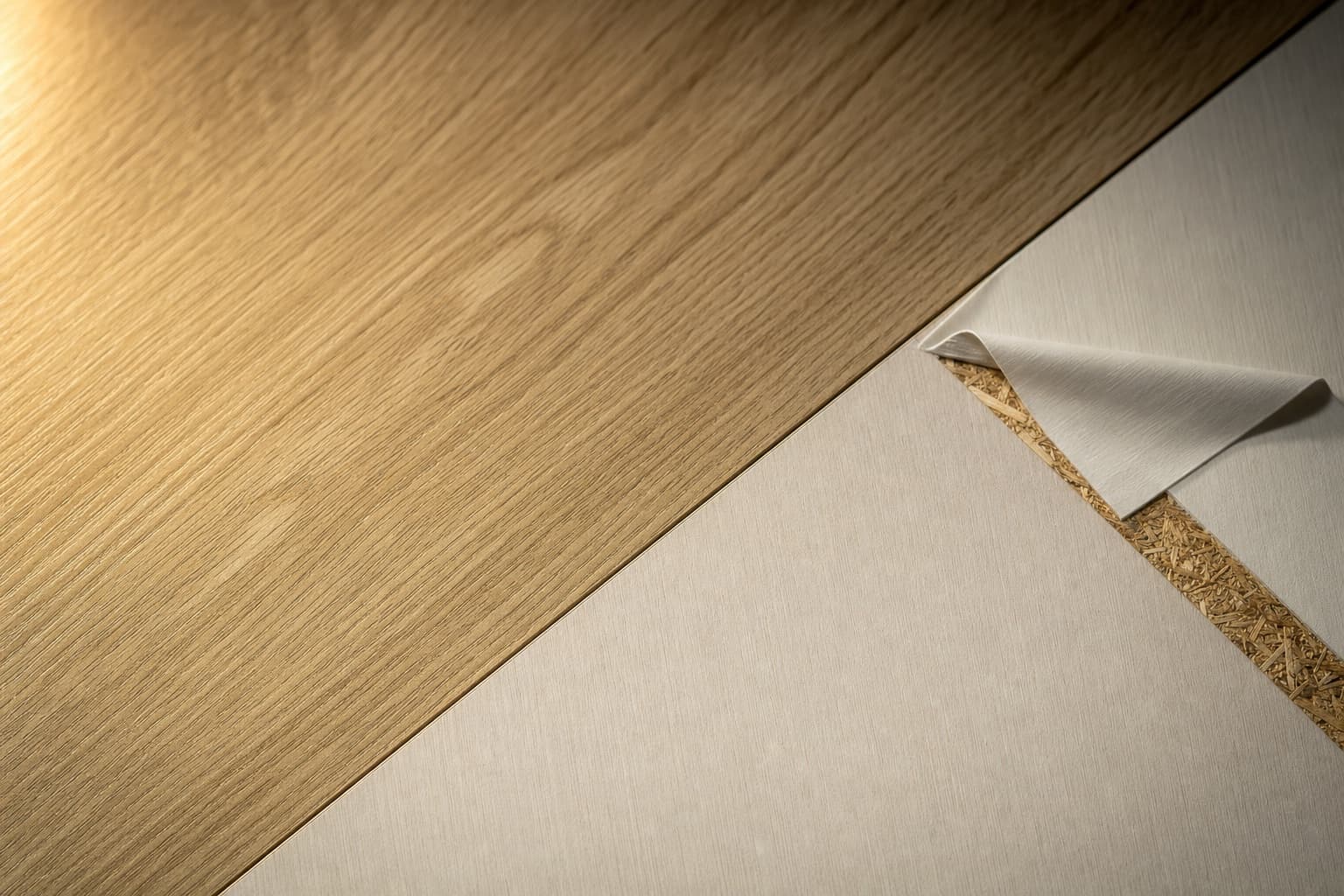
Materials & Finishes9 min read
Real Wood Veneer vs Foil Wrap: A Field Guide for Buyers
Three near-identical surfaces with very different lifespans. How to tell European stained veneer from foil wraps and printed laminates before you pay for the wrong one.
Materials & Finishes8 min read
Premium Lacquer vs Standard Paint: What's Really on Your Cabinet
Furniture-grade matte lacquer is a five-step build. Standard painted cabinets are usually two coats with no primer. Here's how to spot which one you're buying.
Materials & Finishes9 min read
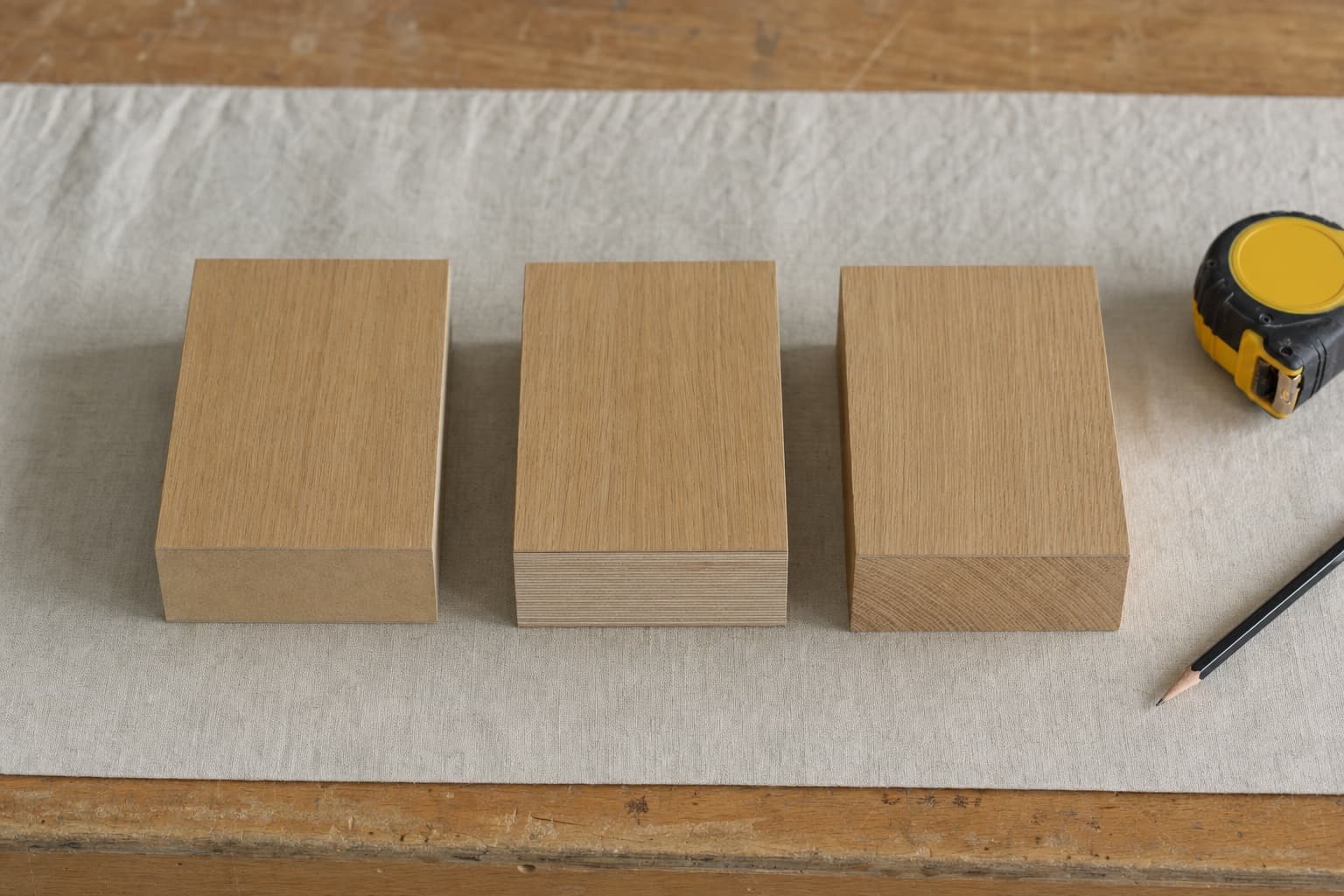
MDF, Plywood, or Solid Wood: What Should a Media Wall Be Built From?
The substrate question every buyer eventually asks. Why furniture-grade MDF often beats solid wood in UAE climate, and where plywood is the only right answer.