
Premium Lacquer vs Standard Paint: What's Really on Your Cabinet
Furniture-grade matte lacquer is a five-step build. Standard painted cabinets are usually two coats with no primer. Here's how to spot which one you're buying.
by Walora Design TeamUpdated 8 min read
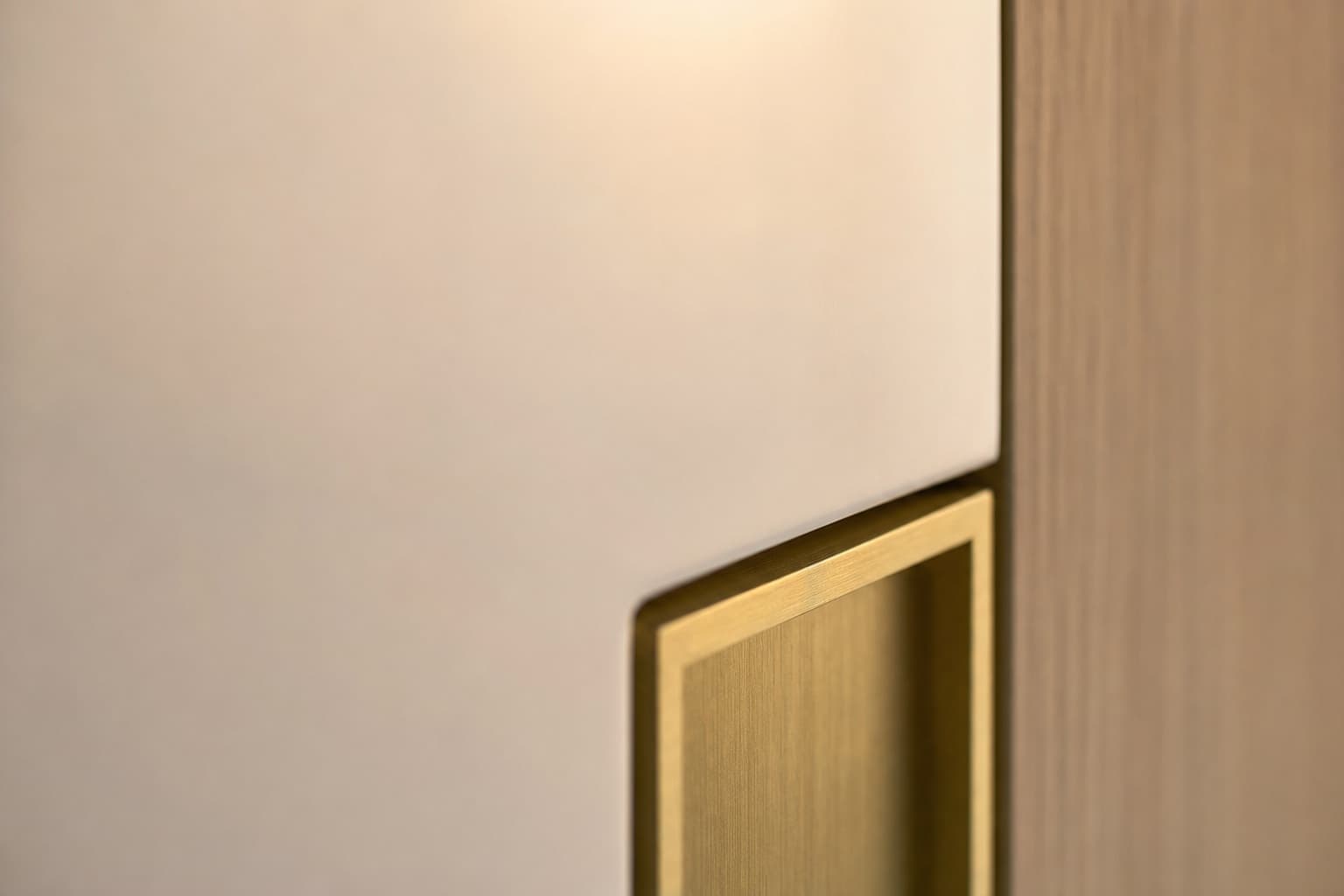
A lacquered media wall is the single finish that most clearly separates joinery from furniture. The same cabinet box can be transformed by the finish — from a piece that looks site-built to one that looks Italian-manufactured. The variable is process, not product.
What furniture-grade lacquer actually is
Lacquer is not a single product. It's a category of coatings that build up in multiple thin layers, sand flat between coats, and end with a uniform film over an engineered substrate. The result is a surface that feels and behaves more like glass than like wood.
A premium lacquer build proceeds in five steps:
-
Substrate preparation. The MDF or veneered panel is sanded to 240–320 grit. Edges are sealed; any defects are filled and re-sanded.
-
Primer. Two coats of high-build polyurethane primer are sprayed on, allowed to dry overnight, then sanded back to 320 grit. The primer fills any remaining surface texture from the substrate.
-
Inter-coat sanding. The most-skipped step in cheap work. Sanded primer creates the perfectly flat foundation on which the lacquer can lay smoothly.
-
Lacquer coats. Three to five coats of two-pack polyurethane lacquer, sprayed in a controlled environment, with light sanding between coats. Each coat is 30 to 50 microns wet, drying to roughly half that.
-
Final polish or flatten. Matte lacquers are flattened with progressively finer abrasives to a uniform sheen. Glossy lacquers are buffed to a mirror finish.
The whole process takes five to seven days per piece. About 60 percent of that is drying time; about 30 percent is preparation; only about 10 percent is the actual application of finish.
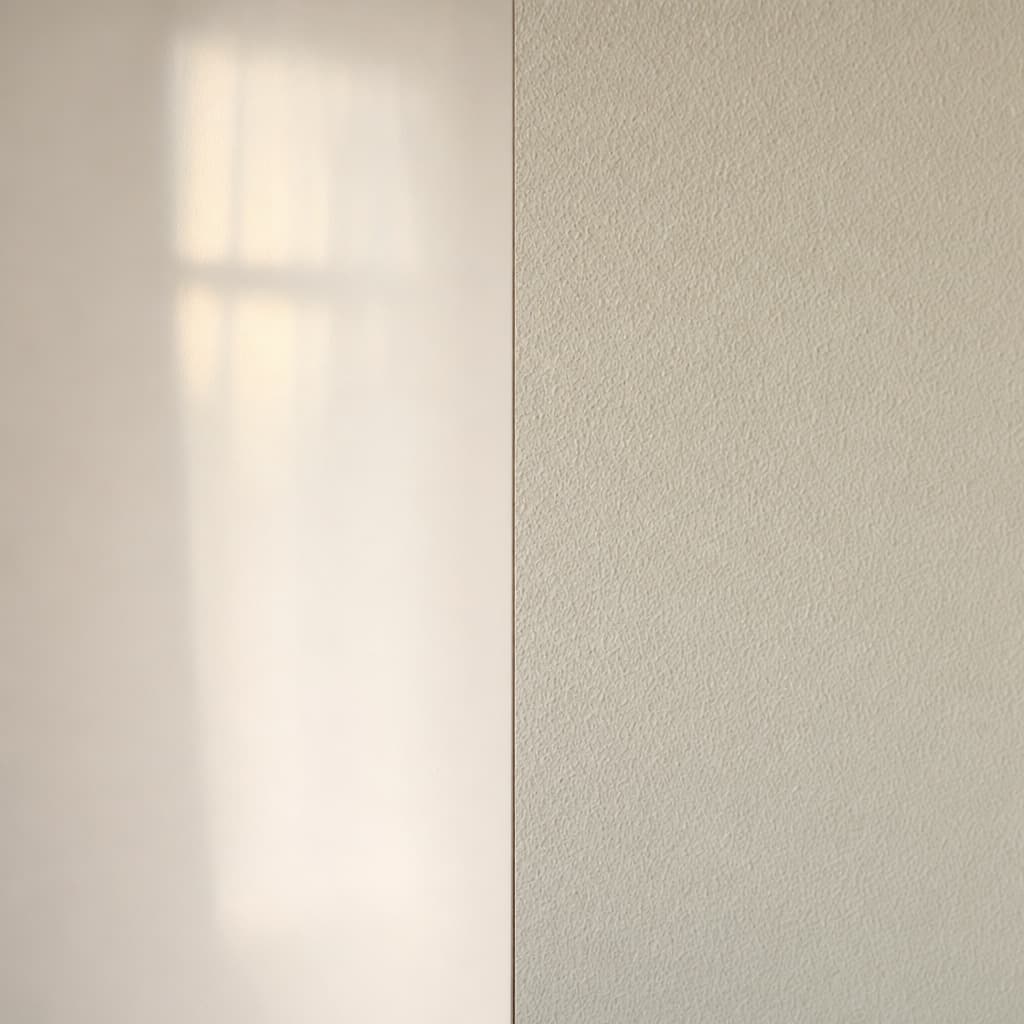 Side-by-side macro comparing a flat furniture-grade matte lacquer with standard orange-peel wall paint under identical light.
What "painted" usually means in joinery quotes
When a quote says a media wall is "painted in your choice of colour," it usually means:
- The cabinet body and doors are constructed
- The doors are sanded lightly
- Two coats of acrylic interior wall paint are applied with a roller or brush
- The piece dries overnight before installation
This entire process takes one afternoon. There is no primer, no inter-coat sanding, no spray equipment. The result is a cabinet that looks acceptable at first and ages faster than anything else in the room.
The flashlight test
The single most reliable way to identify lacquer in a showroom: hold your phone's flashlight at a low angle to a flat cabinet door, about 30 degrees off the surface, and look across the panel.
A premium lacquer reflects in a smooth, continuous, even sheet. The reflection might be sharp (gloss) or soft (matte) but it's uniform. Move your eye and the reflection moves coherently.
A standard painted surface reveals everything — roller texture, brush strokes, the orange-peel that comes from rushed spraying without primer, the slight tonal variation where one coat dried before the next was applied. Move your eye and the reflection breaks into a thousand small irregularities.
This test takes ten seconds and is hard to fake. Suppliers selling lacquer will encourage you to do it; suppliers selling paint will distract.
Why matte lacquer hides fingerprints
This surprises buyers. Common sense says glossy surfaces look cleaner because they're easier to wipe. The opposite is true for daily use.
A glossy surface reflects light in a single coherent direction. When skin oil touches it, the oil creates a localised patch that reflects light differently from the surrounding gloss — making fingerprints visible from across the room.
A modern super-matte lacquer scatters light in many directions. Skin oil on the surface still leaves a trace, but the trace blends into the scattered light pattern. From any distance more than half a metre, the fingerprint is invisible.
This is why high-end German and Italian kitchens are almost always matte rather than gloss now — the matte finish handles daily hand contact dramatically better.
Is glossy lacquer ever the right call?
Yes — for surfaces that are touched rarely and seen often. The top of a console at chest height that nobody touches. A feature stripe across the centre of a wall. The interior of a glass-fronted display cabinet.
A high-gloss lacquer used carefully creates an effect that nothing else achieves — a mirror-like depth that makes the cabinet seem to dissolve into reflections of the room. It's the right choice when the design intent is jewel-box-like richness.
For daily-touch surfaces (handles, the front of drawer faces, doors that open every morning), matte is almost always the better answer.
The honest economics
A furniture-grade lacquer finish costs roughly 2.5 to 3× a standard painted finish per square metre. On a typical media wall, that translates to AED 800 to 1,500 added cost.
The lacquered finish lasts roughly four times as long before any noticeable degradation. Per year of usable life, premium lacquer is cheaper than standard paint. Per minute of looking at the wall, it's better.
Most buyers who ask about this comparison end up upgrading to lacquer when they see the cost difference written down. The line item is small relative to the total budget, and the visible difference is unusually large for the spend.
Frequently asked questions
About the author
The Walora Design Team has been crafting custom media walls for UAE homes since 2024 — every piece built to order in our Dubai workshop from real natural stone, premium stained wood veneers and bin-matched LED.
Related reading
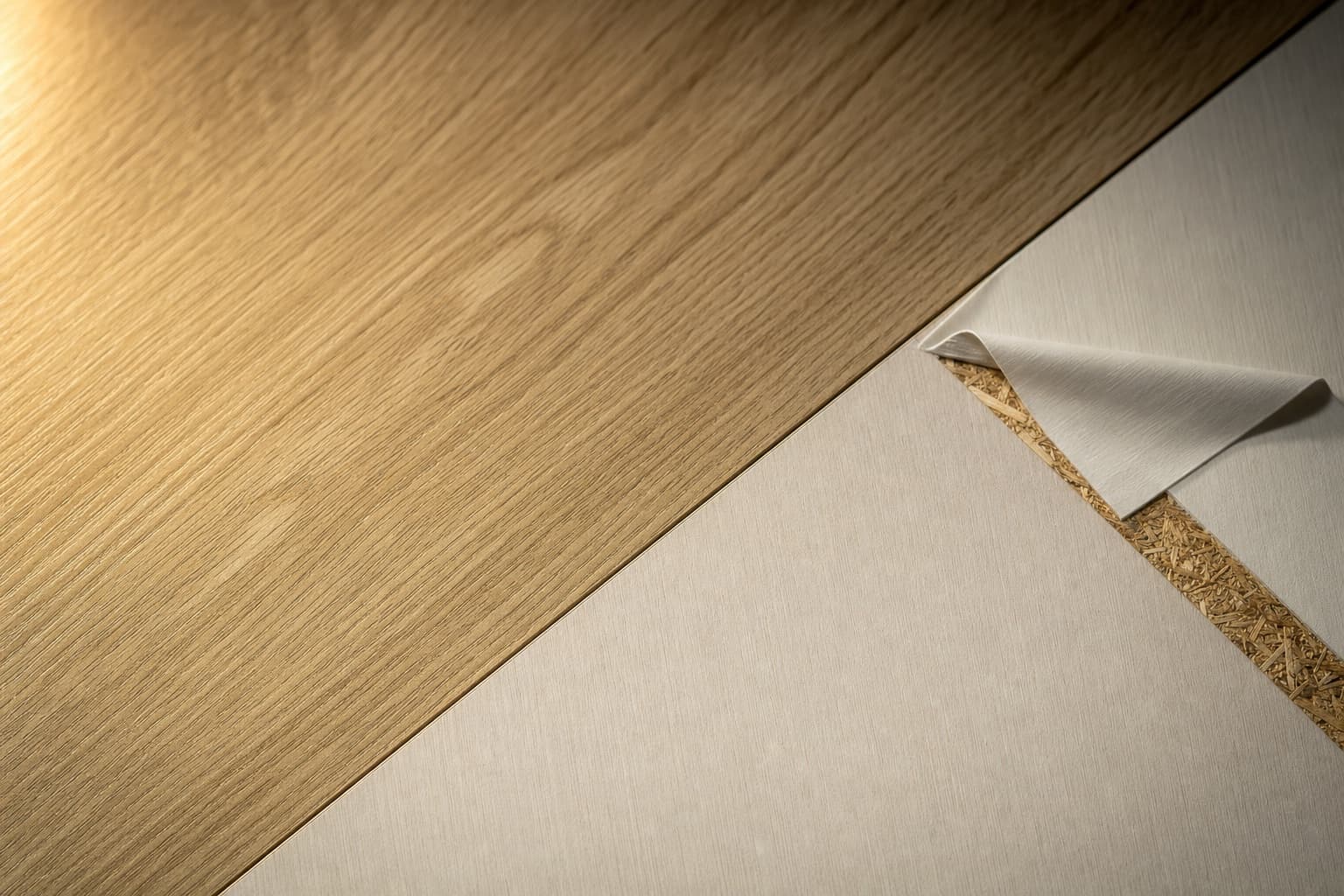
Materials & Finishes9 min read
Real Wood Veneer vs Foil Wrap: A Field Guide for Buyers
Three near-identical surfaces with very different lifespans. How to tell European stained veneer from foil wraps and printed laminates before you pay for the wrong one.
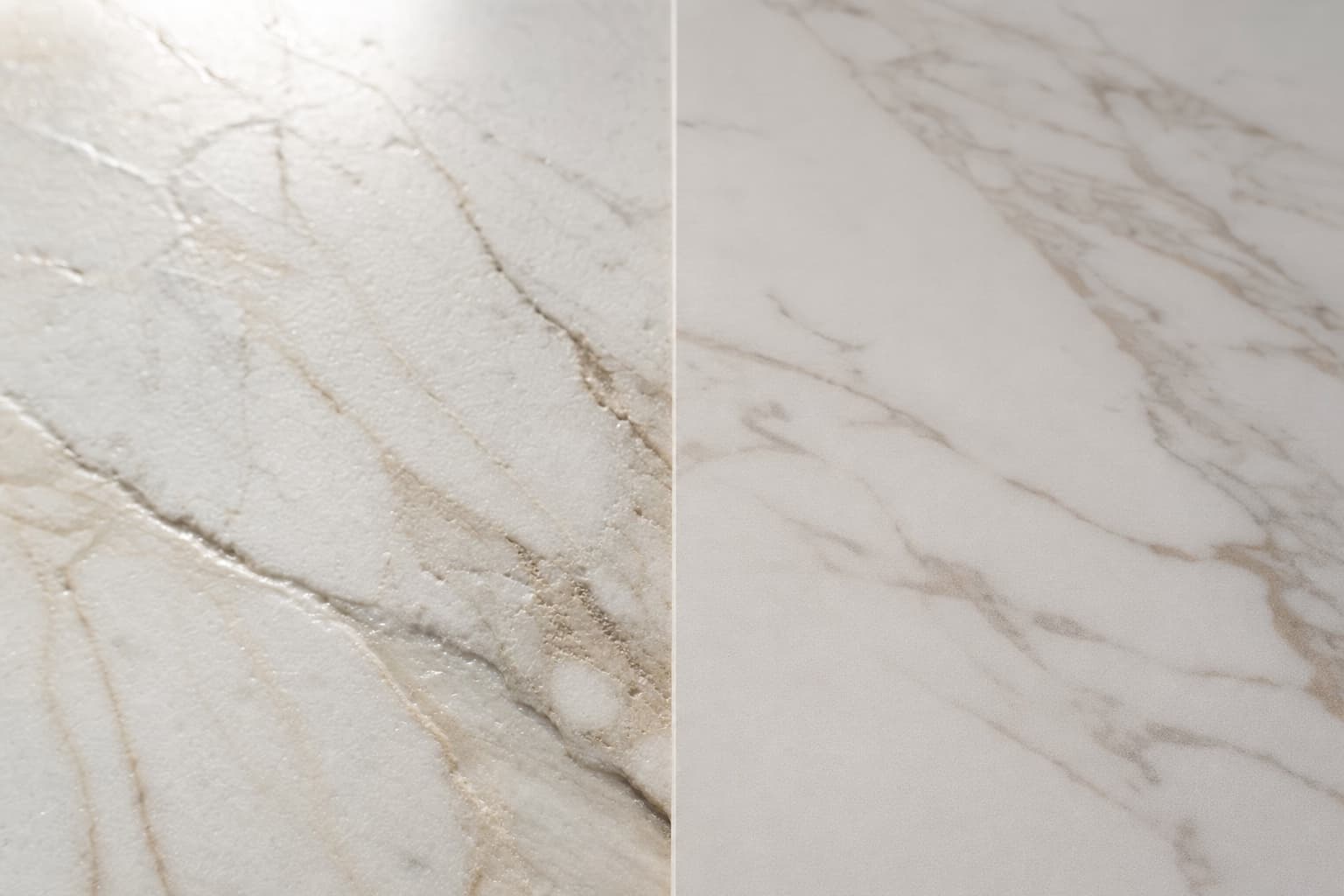
Materials & Finishes9 min read
Real Marble vs Marble-Effect Panels: How to Tell the Difference
Solid stone slabs, marble-laminate sheets, sintered stone, HPL panels — what each one actually is, and how to spot the cheapest version of each.
Materials & Finishes9 min read
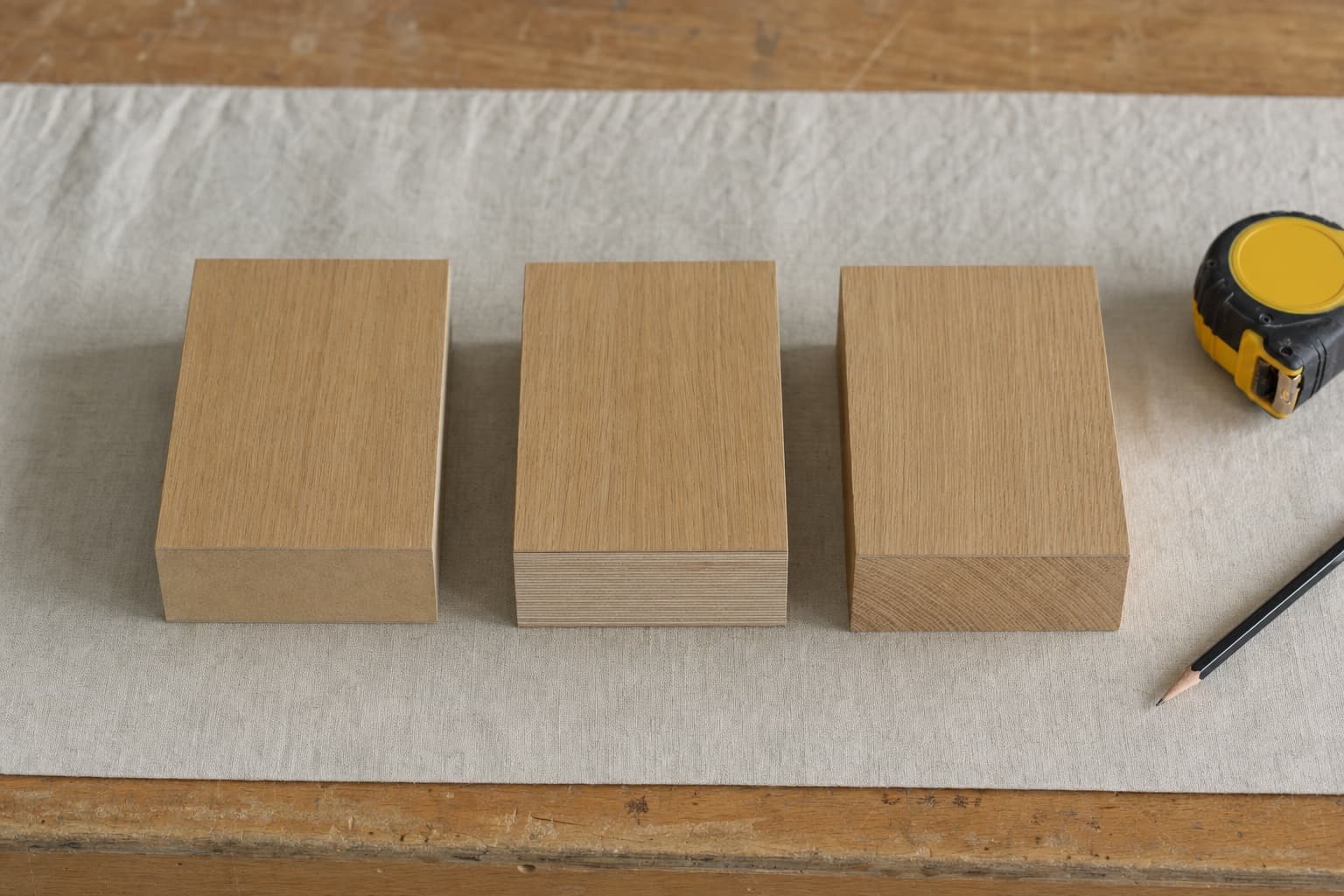
MDF, Plywood, or Solid Wood: What Should a Media Wall Be Built From?
The substrate question every buyer eventually asks. Why furniture-grade MDF often beats solid wood in UAE climate, and where plywood is the only right answer.