
How to Recognise Premium Media Wall Materials: A Buyer's Guide
Real marble vs printed slab. Wood veneer vs foil wrap. Bin-matched LED vs cheap strip. A field guide to spotting quality before you pay for it.
by Walora Design TeamUpdated 11 min read
A premium media wall is not premium because it costs more. It is premium because every layer — stone, wood, lacquer, light, hardware — is the version that ages well. This guide is how to verify each one.
Why "premium" is a slippery word in the UAE market
Walk a Dubai showroom and the word premium is everywhere. It is on quotes for AED 6,500 floor-to-ceiling TV walls and on quotes for AED 30,000 ones. The word means nothing without the specifics that sit behind it.
This is the field guide we wish more buyers had. It lays out what each material actually is, what its honest substitutes look like, and what to ask before signing. The point is not to memorise a checklist — it is to leave the showroom able to tell two near-identical-looking walls apart, and to know which one will still look right in five years.
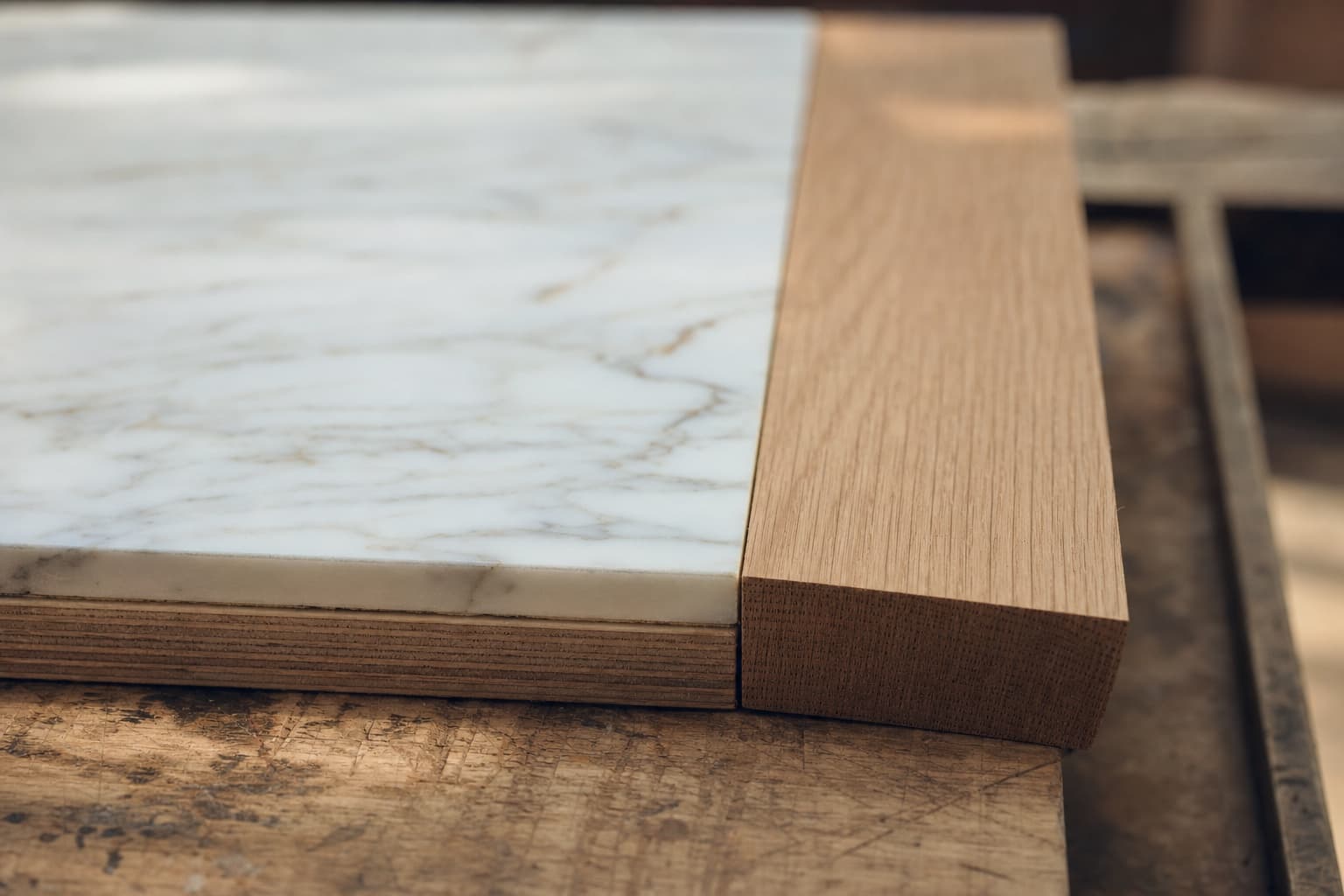
 Premium media-wall material samples laid out: Calacatta marble, warm-oak veneer, matte lacquer card, Blum hinge, and warm-white LED.
How to tell real marble from marble-effect panels
The marble question is the most lucrative shortcut in the industry. Real natural stone costs four to ten times what its closest visual imitation does, so the temptation to fudge it is enormous.
There are three reliable tests.
The weight test
A 20 mm slab of natural marble weighs about 55 kg per square metre. A 6 mm "marble" laminate over an 18 mm MDF carrier weighs about 18 kg per square metre. When the installer is fitting it, watch how many people lift the panel. If one person can carry a one-metre section above their head, it is not solid stone.
The temperature test
Press your palm against the surface for ten seconds in a room at normal AC temperature. Real marble draws heat from your hand and feels noticeably cold even after the contact period. HPL, PVC, and printed-resin panels reach the room's ambient temperature and feel neutral or warm.
The edge test
Ask to see a panel from the side, ideally at a corner. Real stone is the same material edge-to-edge — veining continues from face to chamfer. Printed panels have a thin decorative layer that abruptly stops at a substrate of a completely different colour. Honest suppliers will show you this without hesitation. Suppliers who hide their edges almost always have a reason.
Real wood veneer versus foil wrap versus laminate
The wood category has three tiers that look almost identical in photos and very different after two summers.
You can almost always tell veneer from foil by looking at the panel's underside, where unfinished edge banding will reveal a real grain (veneer) or a printed pattern that ends abruptly (foil). On premium pieces the back of every door is finished with the same veneer as the front — a small but reliable signal.
Why bin-matched LED matters more than the brand on the box
Lighting is where suppliers cut cost most invisibly. A wall that uses cheap LED strips can still photograph beautifully on day one. The problem shows up over time and across length.
LEDs are manufactured in massive batches, then sorted at the factory into "bins" — narrow windows of colour temperature, brightness, and CRI (colour rendering index). Premium projects buy a single bin so every LED in a wall is within roughly 100 Kelvin of every other. Budget projects buy whatever's available, which means a five-metre wall might span 600 Kelvin from end to end. The eye picks this up immediately, even when it cannot name what it is seeing.
The other half of the LED question is the driver. A premium driver delivers steady current without flicker, dims smoothly down to one or two percent, and lasts a decade. A cheap driver flickers on smartphone cameras, refuses to dim below 30 percent, and dies within three years.
What "premium lacquer" actually means
A matte lacquered cabinet is one of the most common upgrades in modern media walls. Done well, it is the most sophisticated finish in the room. Done badly, it is the part that ages worst.
The difference is process, not product. A furniture-grade lacquer build is:
- Sanded — substrate sanded to 320 grit
- Primed — two coats of high-build primer, sanded between
- Lacquered — three to five coats of polyurethane or acrylic lacquer
- Polished — flattened with progressively finer abrasives to a uniform sheen
The whole process takes five to seven days. A standard "painted" door uses one or two coats of acrylic wall paint applied wet-on-wet in a single afternoon. From a metre away on day one they can look similar. From half a metre away after a year they look nothing alike.
The hardware tier that buyers never see
The reason a kitchen costs AED 20,000 in one place and AED 80,000 in another, side-by-side identical, is usually not the doors. It is the hinges, runners, push mechanisms, and shelf clips you can only see when the cabinet is open.
In a premium media wall, hardware is non-negotiable:
- Hinges: Blum CLIP top BLUMOTION or Hettich Sensys with integrated soft-close
- Drawer runners: Full-extension, ball-bearing, ≥30 kg dynamic load
- Push-to-open: Magnetic touch latch for handle-less fronts
- Shelf supports: Concealed, adjustable, no exposed pins
- TV mount: Tilting and pull-out swivel mounts rated 2× the screen's weight
These add about 8 to 12 percent to the cost of the cabinetry. They roughly triple its working life and they remove every small daily friction — the slam, the stuck drawer, the wobble — that erodes how a piece feels over time.
How to read a quote that's hiding the cheap version
A reliable trick: read every quote with a pen and circle every adjective without a noun. Words like premium, high-quality, European-grade, imported, real are all noun-shaped. Behind each, ask:
- Premium what?
- High-quality what?
- Real which species, which thickness, which finish?
A premium supplier writes "20 mm Carrara light marble, sealed, with chamfered edges" instead of "real marble". They write "Blum CLIP top BLUMOTION soft-close hinges, full-overlay" instead of "European hinges". They write "stained oak veneer over 18 mm MDF, edge-banded in matching veneer" instead of "premium wood finish".
If you cannot get this level of specificity in writing, the room is being designed to the lowest possible material spec it can be sold at.
The five questions to ask every supplier
- What is the thickness and species of the stone, in millimetres?
- What is the grade and origin of the wood veneer, and what is its substrate?
- What brand and model of hinges, runners, and lighting drivers are specified?
- What is the lacquer build — primer coats, top coats, total layers?
- What is the warranty in writing, and what does it cover for the next ten years?
If a supplier cannot answer all five inside a sales conversation, they are not the supplier for a piece you intend to live with for a decade.
Frequently asked questions
About the author
The Walora Design Team has been crafting custom media walls for UAE homes since 2024 — every piece built to order in our Dubai workshop from real natural stone, premium stained wood veneers and bin-matched LED.
Related reading
Materials & Finishes9 min read
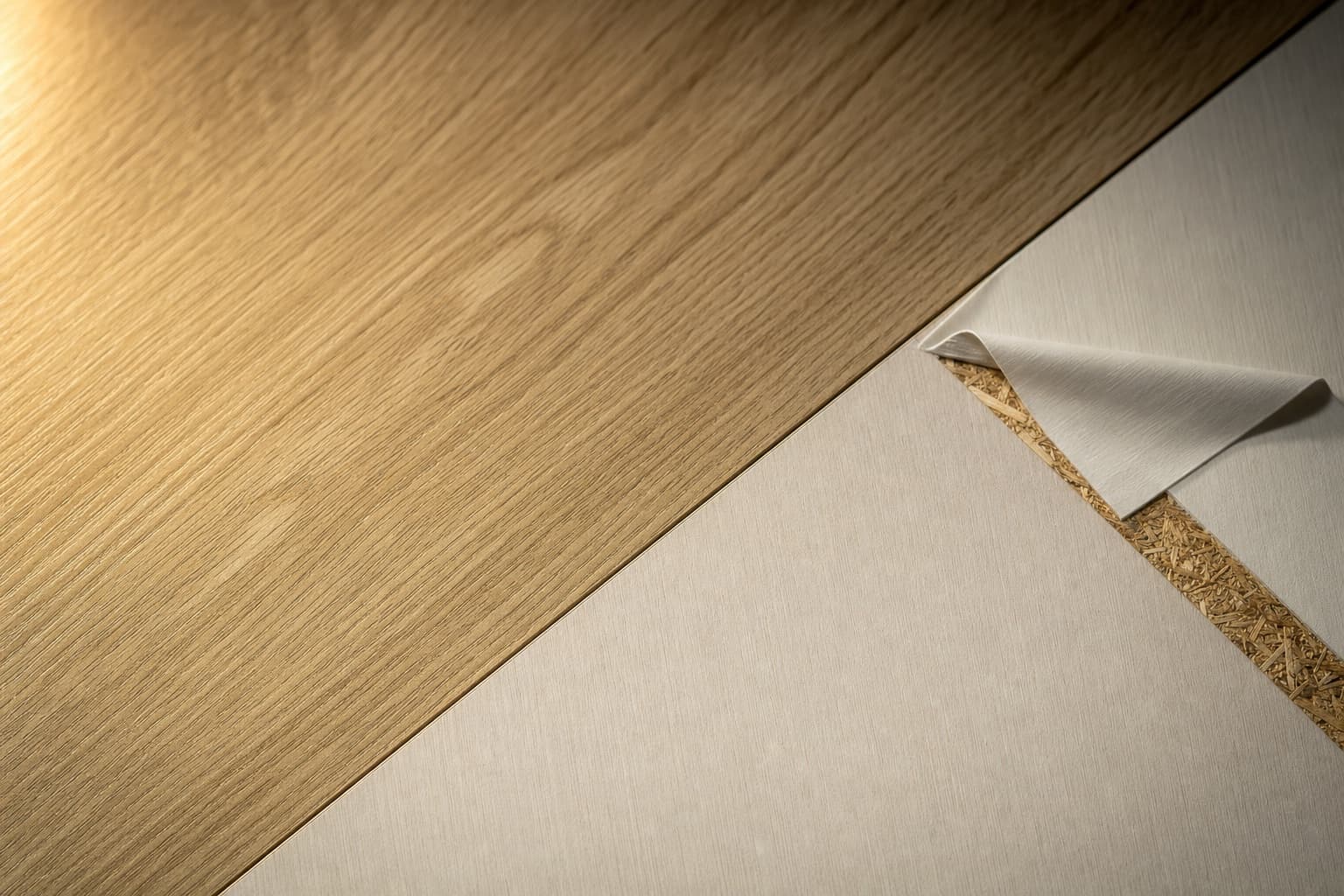
Real Wood Veneer vs Foil Wrap: A Field Guide for Buyers
Three near-identical surfaces with very different lifespans. How to tell European stained veneer from foil wraps and printed laminates before you pay for the wrong one.
Materials & Finishes9 min read
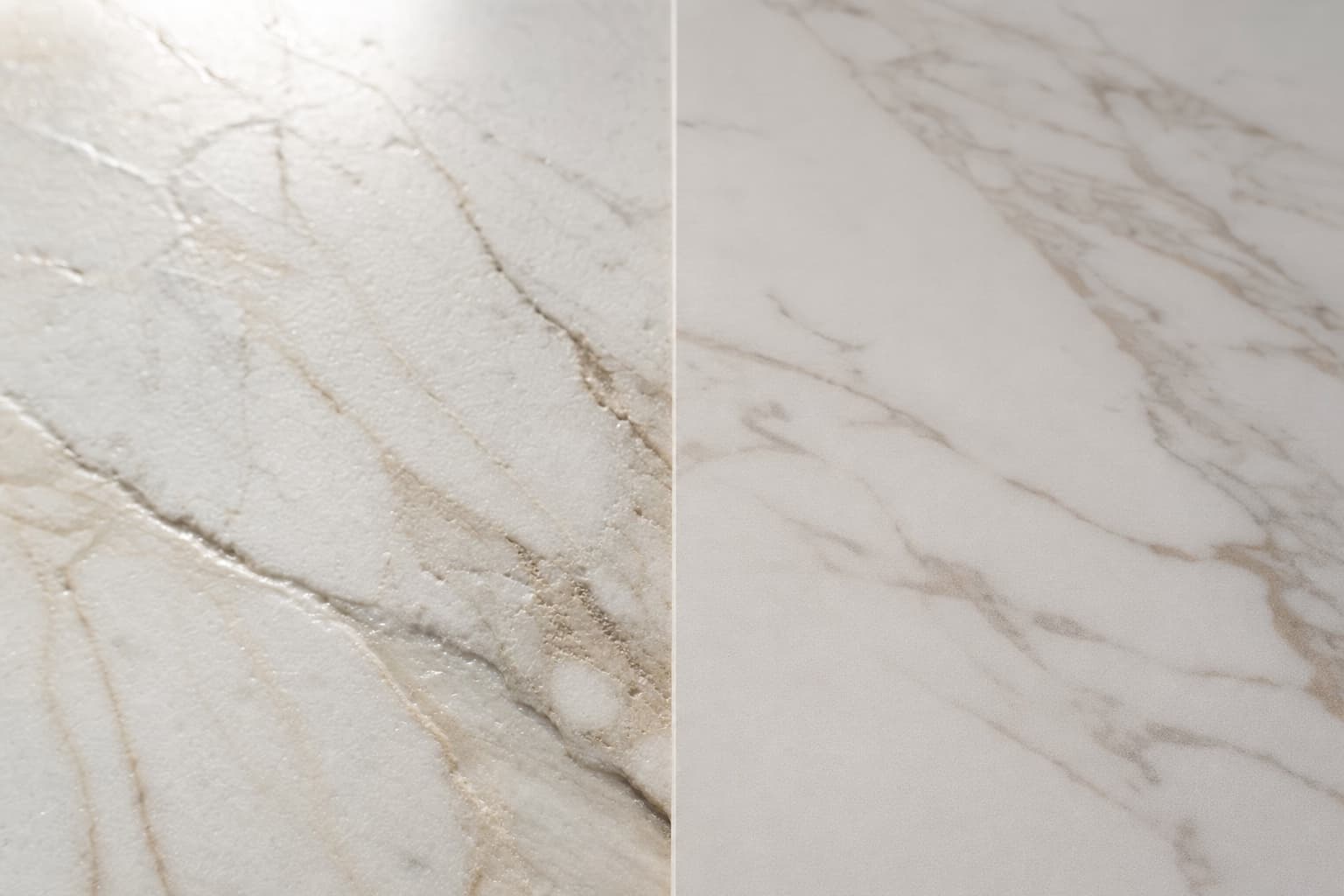
Real Marble vs Marble-Effect Panels: How to Tell the Difference
Solid stone slabs, marble-laminate sheets, sintered stone, HPL panels — what each one actually is, and how to spot the cheapest version of each.
Materials & Finishes8 min read
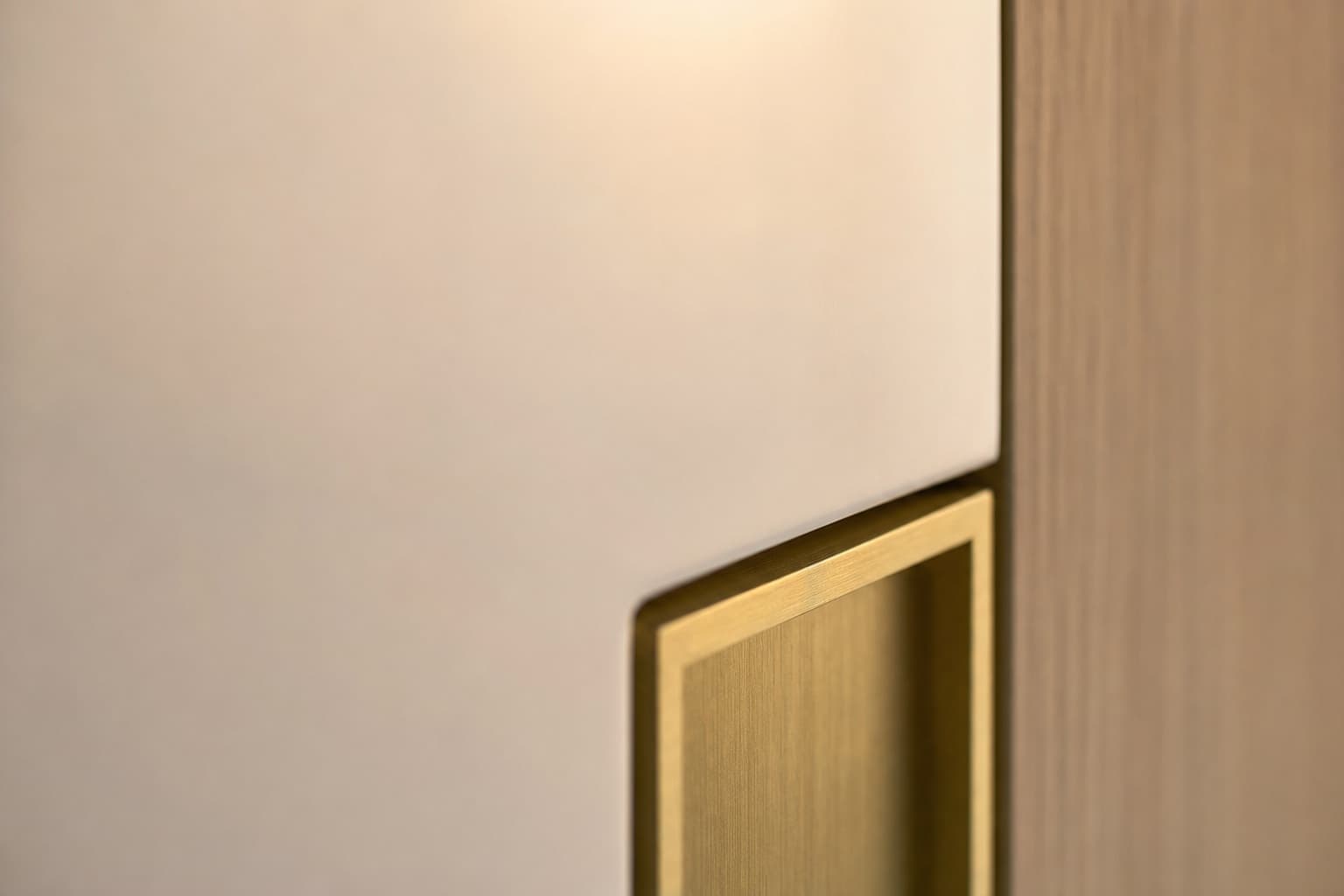
Premium Lacquer vs Standard Paint: What's Really on Your Cabinet
Furniture-grade matte lacquer is a five-step build. Standard painted cabinets are usually two coats with no primer. Here's how to spot which one you're buying.